Solar development depends on enough quality acres see below to make it worthwhile.
Solar panel acreage to replace us oil production.
Proximity and access to high voltage transmission lines access to the grid.
Solar power is growing rapidly and while we still consume about 100 times more energy from oil the potential for solar supply to equal oil in the next decade or two is very real.
Although solar energy is a clean alternative to fossil fuels making the panels themselves can have a negative environmental impact.
Even ten years ago this study said it takes about 2 years of energy generation to pay back the energy used to make the solar panel.
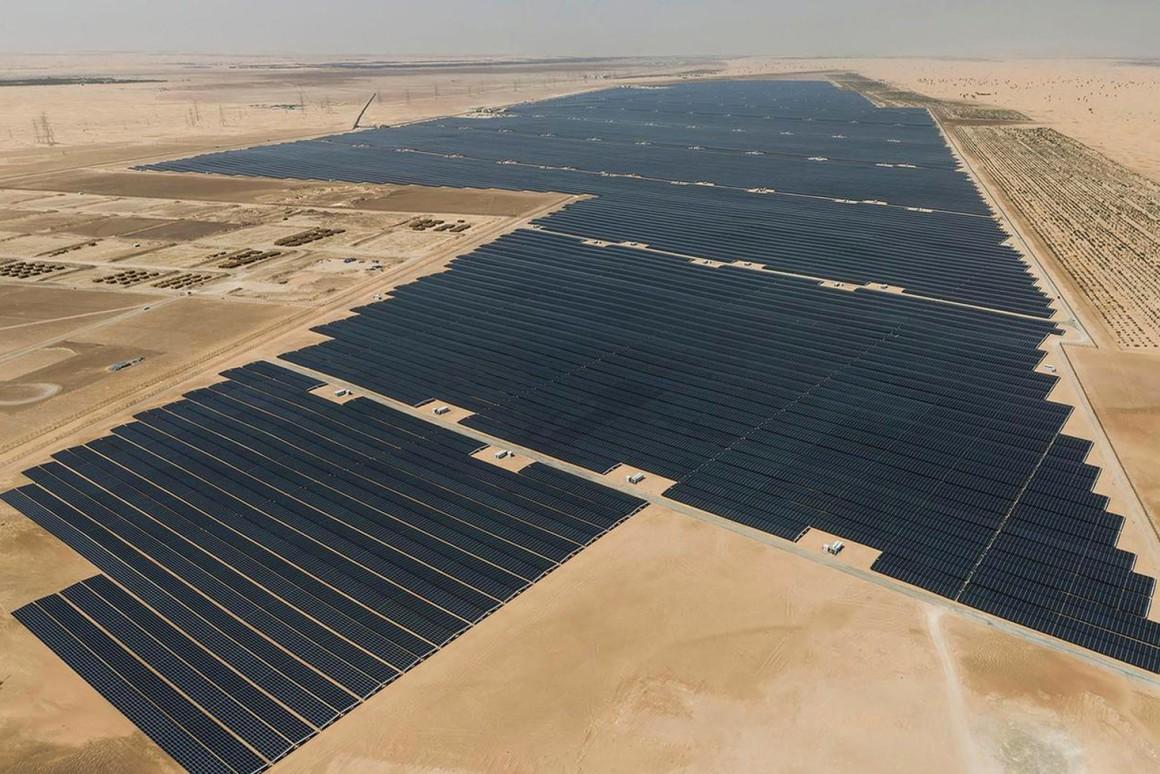
If we concentrate solar production in the sunniest regions the total land footprint falls to 12 000 sq km.
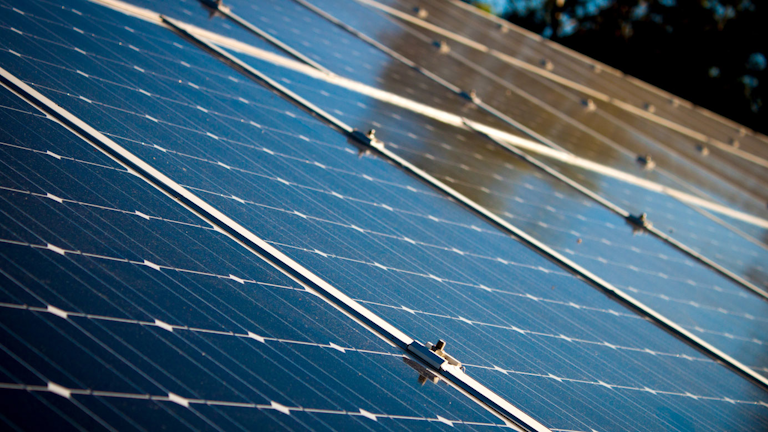
Workers install solar panels in california.
On the other hand the united states apparently devotes about 10 000 sq km of land just to golf courses.
World oil costs at a time when the solar industry is trying to bring.
For example the itc provides solar developers with a 30 tax credit on the price of a solar installation and in some regions solar energy production has fallen to as low as 4 cents per kilowatt hour making solar energy even cheaper than traditional fossil fuels.
Massachusetts where i reside spans about 27 000 sq km for comparison.
Cost effective interconnection to the wholesale electric power grid is a requirement to successful project development.
So a solar panel will make many times more energy than it takes to make it.
Those sound like big numbers.
The decision to transfer land use from agricultural production to solar panel electrical production solar farms should be made by careful examination of immediate and long term potential risks and benefits.
The batteries you need to store the energy to make sure you have 24 7 power is 1 mile by 1 mile.
Making a solar cell component without using fossil fuels.
Sunshine from the new solar energy.
It may take up to 5 acres per megawatt of installed generation capacity.
Amount of land available.
Then it makes energy with no energy cost at all for the rest of its life.
On the one hand they are.
There are different benefits of co locating solar and crop production for solar energy developers and farmers.
With solar panels it would take a fairly small corner of nevada or texas or utah.
Benefits to solar developers include.
Reduced installation costs the use of previously tilled agricultural may prevent the need for expensive grading to flatten land to a usable level.
You only need about 100 miles by 100 miles of solar panels to power the entire united states.