Small Cell Lung Cancer Prognosis After Recurrence

Long Survival Of Patients With Small Cell Lung Cancer After Adjuvant Treatment With The Anti Idiotypic Antibody Bec2 Plus Bacillus Calmette Guerin Clinical Cancer Research

Recurrence Patterns And Second Primary Lung Cancers After Stereotactic Body Radiation Therapy For Early Stage Non Small Cell Lung Cancer Implications For Surveillance Clinical Lung Cancer
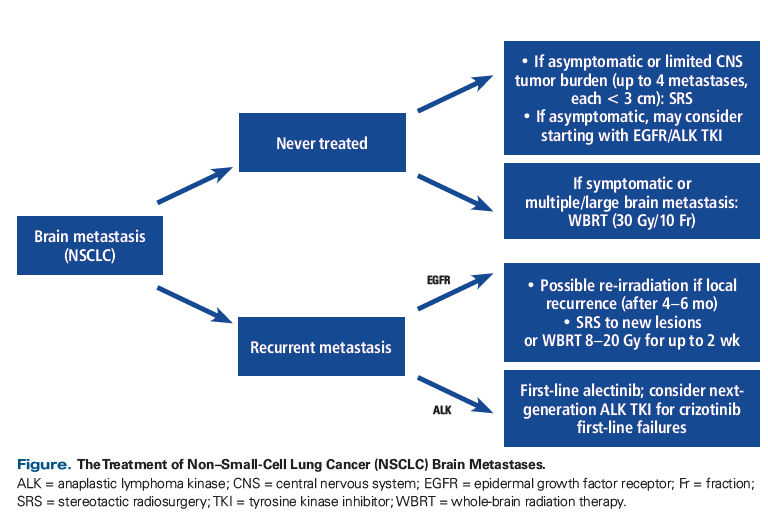
Systemic Treatment Options For Brain Metastases From Non Small Cell Lung Cancer

Full Text 1 3 And 5 Year Survival Among Early Stage Lung Cancer Patients Tre Lctt

Patterns Of Disease Recurrence After Sabr For Early Stage Non Small Cell Lung Cancer Optimizing Follow Up Schedules For Salvage Therapy Journal Of Thoracic Oncology

Salvage Surgery For Locoregional Recurrence Or Persistent Tumor After High Dose Chemoradiotherapy For Locally Advanced Non Small Cell Lung Cancer Lung Cancer
The lungs bring oxygen into the body when you breathe in and take out carbon dioxide when you breathe out.
Small cell lung cancer prognosis after recurrence.
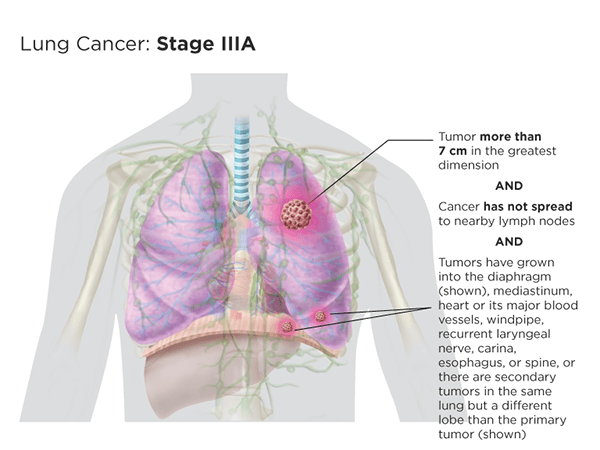
Lung Cancer Staging Lungevity Foundation

Chemosensitive Relapse In Small Cell Lung Cancer Proceeds Through An Ezh2 Slfn11 Axis Sciencedirect

Mesothelioma Stage 4 Symptoms Mesothelioma Mesothelioma Cancer Asbestos

Pin On Pulmon
Source : pinterest.com
